Building a Performance Management System That Actually Works
Move beyond annual reviews to create a performance management approach that drives results, develops talent, and engages employees. A practical guide for Dallas business leaders.
HR Consulting Firm of Dallas
HR Consulting Team
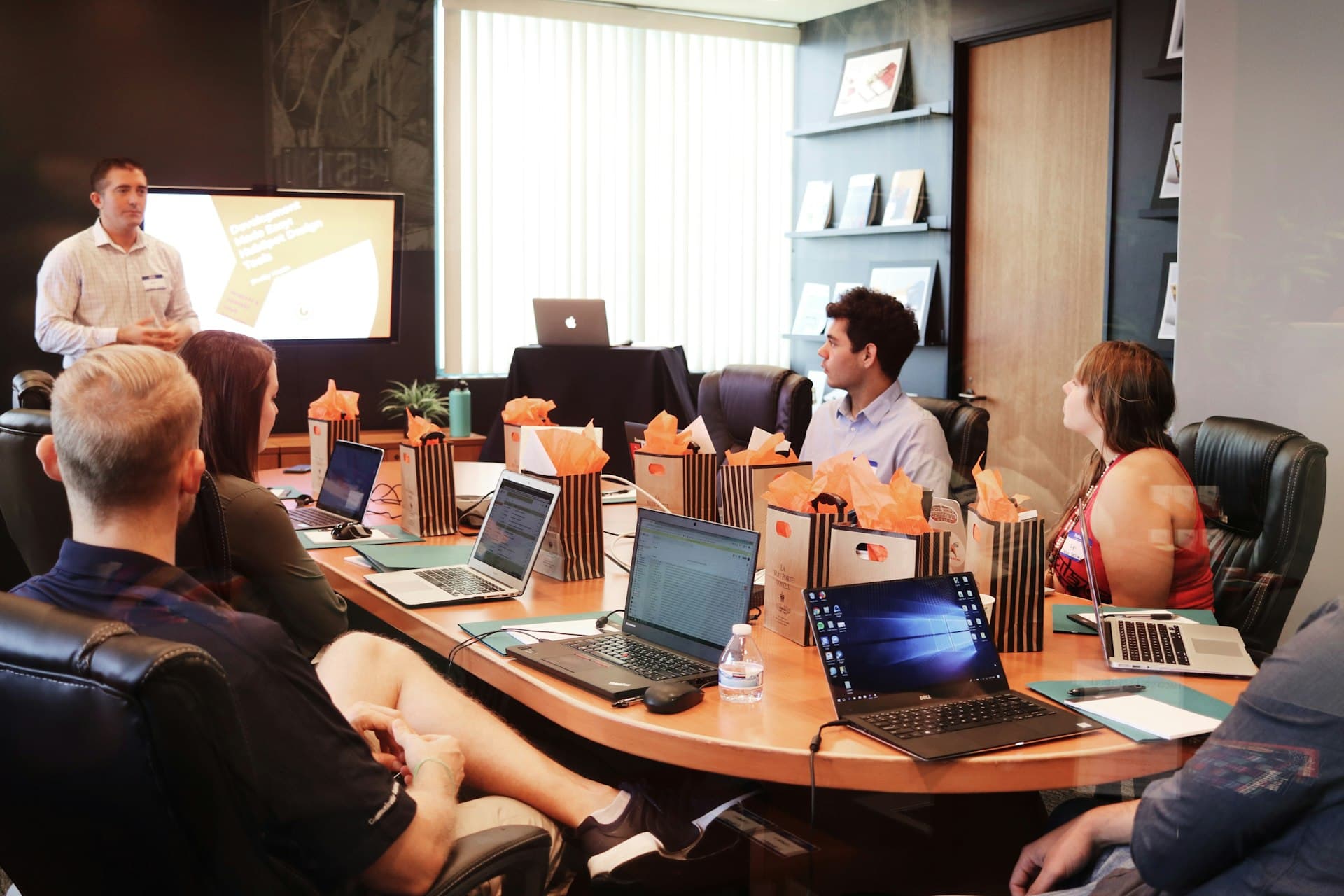
01Why Traditional Performance Reviews Fail
If your annual performance review process feels like a chore that neither managers nor employees value, you're not alone. Research consistently shows that traditional performance management fails to achieve its objectives—and often does more harm than good.
A Gallup study found that only 14% of employees strongly agree their performance reviews inspire them to improve. Worse, traditional reviews can actually demotivate employees, particularly when ratings feel arbitrary or feedback comes too late to be actionable.
The fundamental problems with traditional approaches include being too infrequent (annual reviews deliver feedback 11 months too late), too backward-looking (focusing on past performance rather than future development), too subjective (ratings vary widely based on manager and department), too disconnected (from day-to-day work and business goals), and too time-consuming (creating administrative burden without corresponding value).
Many prominent companies—including Microsoft, Adobe, Deloitte, and GE—have abandoned traditional rating systems entirely. But what should replace them? The answer isn't simply more frequent reviews of the same type; it's a fundamentally different approach to managing performance.
For Dallas businesses competing for talent and striving for operational excellence, getting performance management right is a competitive advantage. Let's explore how to build a system that actually works.
02The Foundation: Clear Expectations and Goals
Effective performance management starts long before any review conversation—it begins with establishing clear expectations and meaningful goals.
Role Clarity Every employee should understand not just what they're supposed to do, but why it matters. Role clarity includes core responsibilities and deliverables, key metrics and success measures, how the role connects to team and company objectives, decision-making authority and boundaries, and key stakeholder relationships.
Document these expectations and review them regularly. As business priorities shift, role expectations should evolve accordingly.
Goal-Setting Frameworks Goals provide direction and motivation. The most effective goal-setting approaches share common elements—they're specific and measurable, aligned with broader business objectives, challenging but achievable, and owned by the employee with manager support.
Many Dallas companies use OKRs (Objectives and Key Results) to align individual goals with company strategy. Others prefer SMART goals or balanced scorecards. The specific framework matters less than consistent application and regular review.
Cascading Goals Company strategy should cascade down to department objectives, then team goals, then individual contributions. When employees see how their work connects to organizational success, engagement and performance improve.
Goal Review Cadence Set goals quarterly rather than annually. Business conditions change; goals should adapt. Quarterly cycles allow for course correction without abandoning accountability.
03Continuous Feedback: The Heart of Modern Performance Management
The shift from annual reviews to continuous feedback represents the most important evolution in performance management. Here's how to make it work:
Real-Time Feedback Feedback is most valuable when delivered close to the event. Train managers to provide specific, timely feedback—both positive and constructive—as situations arise, not months later during formal reviews.
Weekly Check-Ins Replace infrequent formal reviews with brief weekly one-on-ones between managers and employees. These conversations should cover progress on priorities, obstacles and support needed, feedback in both directions, and career development topics. Keep these meetings short (15-30 minutes) but consistent. The routine creates psychological safety and prevents issues from festering.
Peer Feedback Colleagues often have valuable perspectives that managers miss. Create channels for peer feedback—whether through formal 360 reviews, project retrospectives, or informal feedback tools. Be thoughtful about implementing peer feedback; done poorly, it can create conflict or become a popularity contest.
Employee Self-Assessment Employees should regularly reflect on their own performance. Self-assessment builds self-awareness and ownership. Compare self-assessments with manager assessments to identify perception gaps that need addressing.
Feedback Skills Training Giving effective feedback is a skill that doesn't come naturally to most people. Invest in training that covers the SBI model (Situation-Behavior-Impact), balancing positive and constructive feedback, making feedback specific and actionable, receiving feedback non-defensively, and creating feedback-friendly team cultures.
04Performance Reviews Reimagined
Even with continuous feedback, periodic performance reviews serve valuable purposes—synthesizing patterns, documenting performance for decisions, and creating space for bigger-picture conversations.
Review Frequency Quarterly reviews hit the sweet spot for most organizations—frequent enough to be relevant, infrequent enough to not burden managers. Some companies do monthly check-ins with more comprehensive semi-annual reviews.
Review Content Effective reviews should be forward-focused (spending at least half the time on development and future goals), evidence-based (grounded in specific examples and data), balanced (acknowledging strengths alongside improvement areas), two-way (inviting employee perspective and feedback on management), and actionable (resulting in clear next steps).
Rating Systems Many companies are moving away from numerical ratings entirely. If you keep ratings, consider simplified scales (3-point rather than 5-point), rating dimensions that matter most rather than lengthy competency lists, calibration sessions to ensure consistency across managers, and separating development conversations from compensation discussions.
Documentation Maintain written records of performance discussions, goals, and agreements. This protects both the company and employees while creating historical context for future reviews.
05Connecting Performance to Development
The ultimate purpose of performance management isn't evaluation—it's development. Help employees grow by making development a central theme:
Development Planning Every performance review should include discussion of development goals and activities. What skills does the employee want to build? What experiences would stretch them? What support do they need?
Learning Opportunities Connect performance gaps to specific development activities—training programs, mentorship, stretch assignments, job shadowing, or formal education. Dallas offers excellent professional development resources; partner with local institutions.
Career Conversations Discuss not just current performance but longer-term career aspirations. Where does the employee see themselves in two to five years? How can current work prepare them for future roles?
Succession Planning Use performance data to identify high-potential employees and develop succession plans for critical roles. This ensures business continuity while providing growth paths for top performers.
Performance Improvement Plans When employees struggle, address issues constructively. Effective PIPs are specific about gaps and expectations, provide adequate support and resources, include reasonable timelines, and document progress and decisions. PIPs should genuinely attempt to help employees succeed—not just create paper trails for termination.
06Technology and Tools
The right technology can enable effective performance management—but tools alone don't solve process and culture problems.
Performance Management Platforms Modern platforms like Lattice, 15Five, Culture Amp, and others facilitate continuous feedback, goal tracking, reviews, and analytics. Key features to evaluate include ease of use (for both managers and employees), mobile accessibility, integration with existing HR systems, flexibility to match your process, and reporting and analytics capabilities.
Goal Tracking Tools Whether integrated into performance platforms or standalone tools like Asana, Monday.com, or simple spreadsheets, track progress against goals in real-time. Visibility creates accountability.
Feedback Tools Some organizations use dedicated tools for peer recognition (like Bonusly) or feedback requests. Others build feedback into communication platforms like Slack or Teams.
Analytics and Reporting Use data to identify patterns: Which teams have highest performance? Where are ratings inconsistent? Which employees are at risk of disengagement? HR analytics can transform performance management from art to science.
Implementation Considerations Technology changes often fail not because of the tools but because of rollout execution. Ensure adequate training, clear communication about expectations, manager buy-in, and ongoing support.
Frequently Asked Questions
Frequently Asked Questions
How do we get managers to actually conduct regular check-ins?
Should we eliminate performance ratings entirely?
How do we ensure rating consistency across managers?
What should we do when an employee disagrees with their review?
About the Author
HR Consulting Firm of Dallas
HR Consulting Team
Our team leads talent acquisition and retention practices. We have placed over 500 executives in Texas companies and developed award-winning onboarding programs for organizations of all sizes.
Need Expert HR Guidance?
Our Dallas consultants can help you implement these strategies for your business.
Get a Free ConsultationReady to Transform Your HR?
Our team of experienced HR consultants is ready to help your Dallas business thrive.